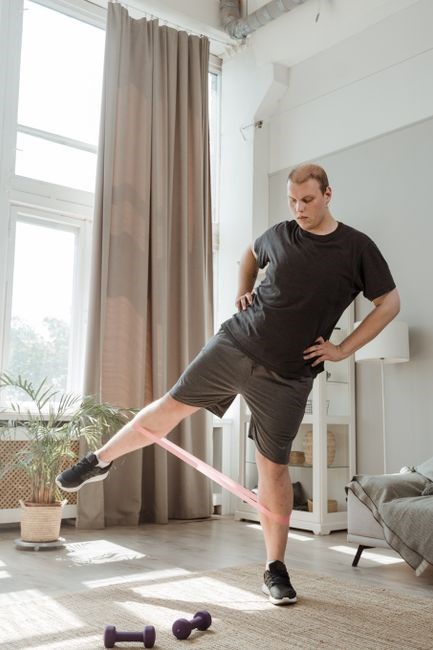
What is an IT Band Stretch PDF?
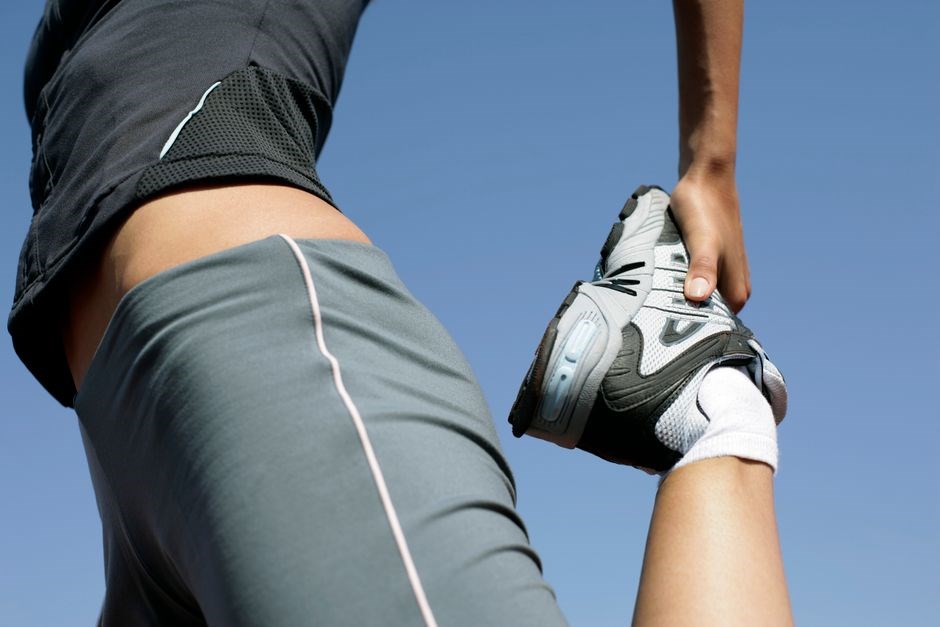
IT Band Stretch PDFs compile visual guides and step‑by‑step instructions for targeting the iliotibial band. They include diagrams, recommended repetitions, and safety notes, helping users perform seated, standing, and dynamic stretches accurately and consistently. Use them as a reference today now.
Definition and Purpose
IT Band Stretch PDFs are digital compilations that provide concise visual instructions, step‑by‑step guidance, and safety reminders for targeting the iliotibial band. They typically feature clear diagrams, recommended repetition ranges, and notes on proper form. These resources help users perform seated, standing, and dynamic stretches with accuracy, reducing the risk of injury while promoting flexibility and muscle balance. By offering a structured routine that can be accessed anytime, the PDFs serve as a convenient reference for daily practice, enabling individuals to track progress, adjust intensity, and maintain consistency in their stretching regimen. The primary goal is to improve joint mobility, alleviate discomfort around the knee and hip, and support overall lower‑body function.
Common Formats and File Types
Another popular format is EPUB, ideal for e‑readers such as Kindle or Kobo. EPUB files support reflowable text and can be customized with font size and background color, enhancing readability during workouts. Some creators release the same material as plain‑text or Markdown files, which can be converted into a PDF or printed from any text editor. Downloadable ZIP archives containing all assets—images, PDFs, videos—are also available, ensuring offline access even without an internet connection.
In addition to these primary formats, niche options exist. Some athletic trainers provide a Google Drive folder with a shared link, allowing real‑time collaboration and version control. Others use a proprietary app that syncs the PDF to a wearable device, enabling reminders and progress tracking. The key is that the file type should be universally compatible, lightweight, and easy to share across platforms, so anyone—from a casual exerciser to a physical therapist—can access the material conveniently now.
Where to Find Reliable PDFs
Finding trustworthy IT Band Stretch PDFs begins with reputable sources that combine clinical expertise with user‑friendly design. First, consult university and hospital websites—many physiotherapy departments publish downloadable guides that have undergone peer review. Second, professional associations such as the American Physical Therapy Association (APTA) or the International Society of Sports Physical Therapy (ISSPT) often host free resources or offer links to vetted third‑party sites. Third, well‑known fitness platforms like Mayo Clinic, WebMD, or the National Institute of Arthritis and Musculoskeletal and Skin Diseases (NIAMS) provide evidence‑based PDF tutorials that include clear illustrations and step‑by‑step instructions. Fourth, reputable online retailers and e‑book services (e.g., Amazon Kindle, Google Books) sometimes offer downloadable PDFs as part of a larger exercise program; verify that the author is a licensed practitioner or certified trainer. Finally, open‑access repositories such as PubMed Central or ResearchGate may host supplementary material from published studies, which can include high‑quality stretch protocols. Always check the publication date, author credentials, and whether the PDF cites recent research to ensure the information remains current and safe for daily use. These PDFs often include QR codes linking to video demos, and progress trackers, letting users monitor flexibility gains and adjust intensity safely daily more.
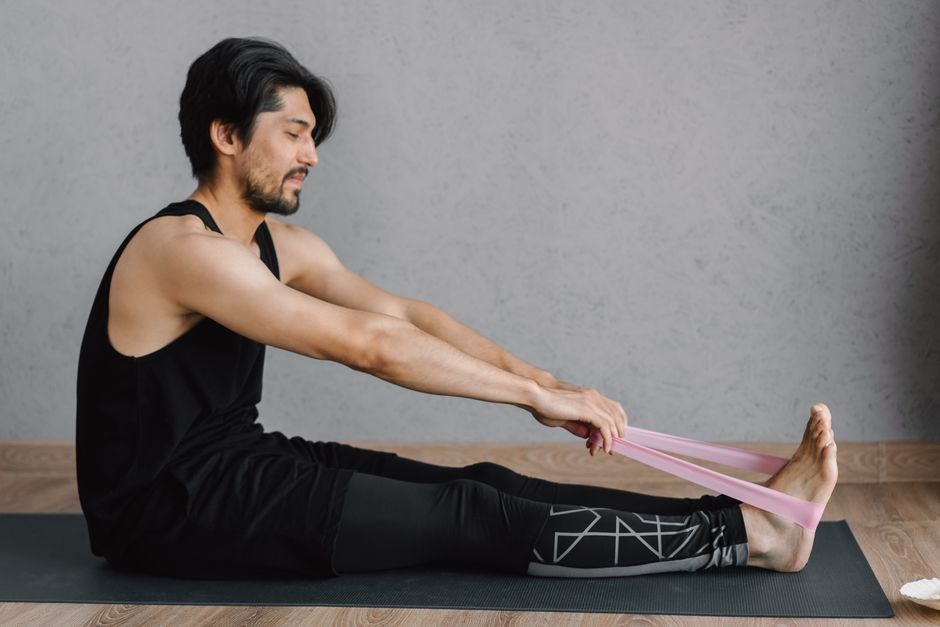
Typical Content Included
IT Band Stretch PDFs are designed to be comprehensive, user‑friendly guides that blend scientific insight with practical application. Most begin with a brief anatomical primer, outlining the iliotibial band’s origin at the iliac crest, its course along the lateral femur, and its insertion near the tibial tuberosity. Following the anatomy, PDFs often list common symptoms—such as lateral knee pain, hip adductor tightness, or posterior thigh stiffness—that stretching can target, giving users a clear rationale for incorporating the routine into their regimen
Visual components are a cornerstone. Images depict each stretch, from seated and standing positions to supine and dynamic mobilizations. Each visual is annotated with muscle labels, joint angles, and key cues (e.g., “keep the knee slightly bent” or “maintain a neutral spine”). Accompanying text explains hand placement, breathing patterns, and recommended hold durations, ensuring that users can perform the exercises correctly without a trainer present, and a brief warm‑up before each daily session
Progression strategies are common; PDFs may present beginner, intermediate, and advanced variations, allowing users to scale difficulty as flexibility improves. Safety sections address contraindications—such as acute inflammation, recent surgery, or pregnancy—and provide precautionary advice, like avoiding overstretching or using a supportive chair for balance, and monitor progress daily consistently.
Many documents include supplementary tools: QR codes linking to short tutorial videos, printable worksheets for logging repetitions and perceived effort, and sample weekly schedules that embed the IT band routine into broader fitness plans. A references list cites peer‑reviewed studies and authoritative texts, reinforcing the evidence base behind each recommendation.

Key IT Band Stretch Exercises Covered in PDFs
Typical PDFs list four moves: seated IT band stretch with a strap, standing cross‑leg forward bend, supine hamstring‑IT band stretch against a wall, and dynamic lateral mobilization that rolls the thigh while avoiding the greater trochanter.!!!
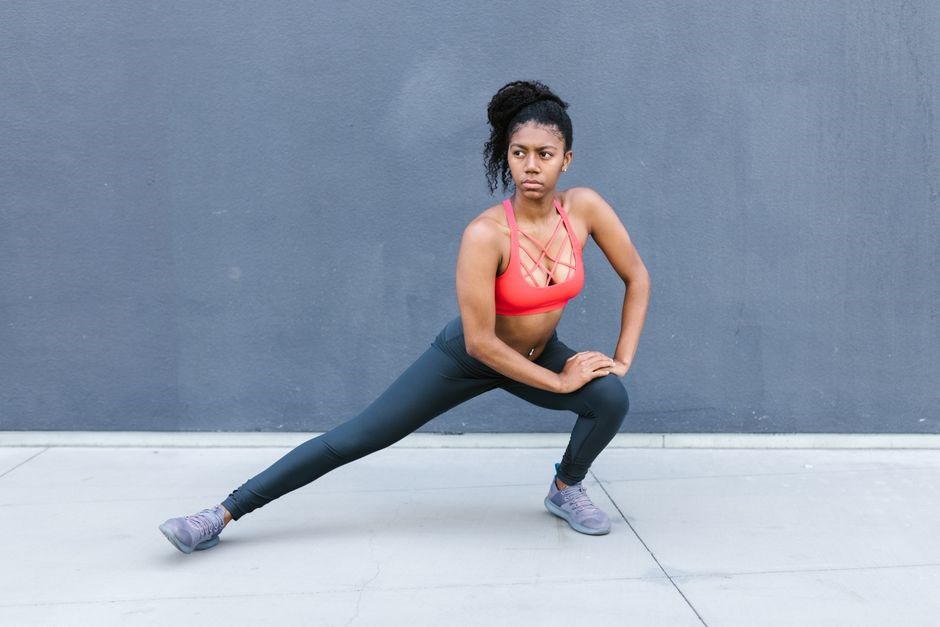
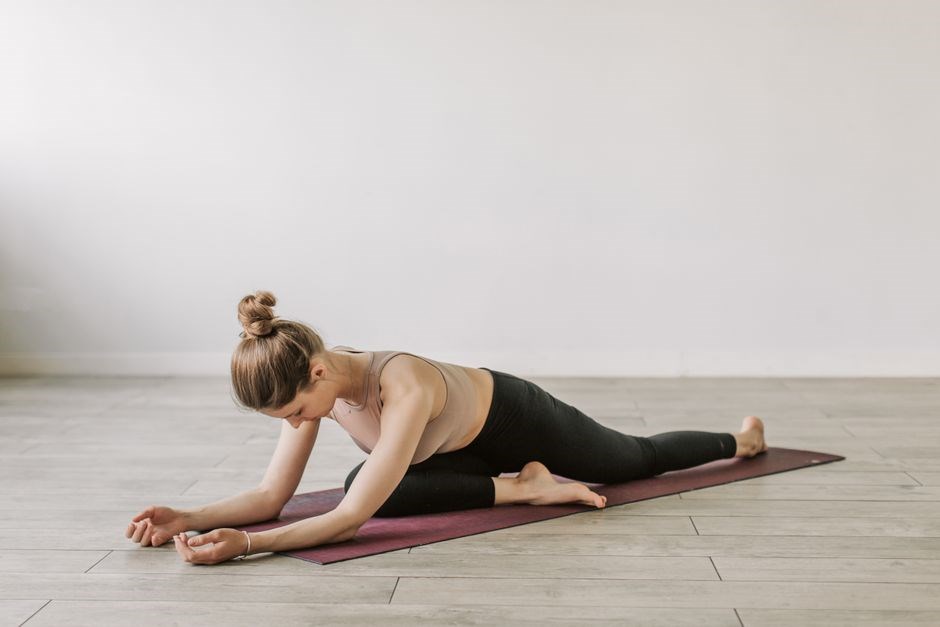
The seated IT band stretch is often presented in PDF guides as a beginner‑friendly routine that can be performed without equipment other than a simple strap or towel. Begin by lying on your back with both legs extended on a firm surface. Loop a stretch strap around the arch of one foot, grasp the opposite ends of the strap with both hands, and keep the opposite leg flat on the floor to maintain stability.
With a gentle pull, draw the strapped leg toward your torso while keeping the knee slightly flexed and the foot pointing upward. You should feel a controlled pull along the back of the thigh and a mild stretch across the outer iliotibial band. Hold the position for 20‑30 seconds, breathing steadily, then slowly release. Repeat the motion three times per side, aiming for 10‑20 repetitions throughout the day.
Key cues include keeping the supporting leg grounded, avoiding excessive knee extension, and ensuring the foot remains straight rather than rolled. Consistency is crucial; performing the stretch several times daily for several weeks typically yields noticeable improvements in flexibility and reduced lateral knee discomfort.
Safety notes: discontinue the exercise if sharp pain arises, and consult a healthcare professional if you have a history of hip or knee pathology. Progression can involve increasing the strap tension or adding a gentle ankle dorsiflexion to intensify the IT band activation. Keep breathing, stay within limits, and repeat the stretch daily for good results.
Standing IT Band Stretch
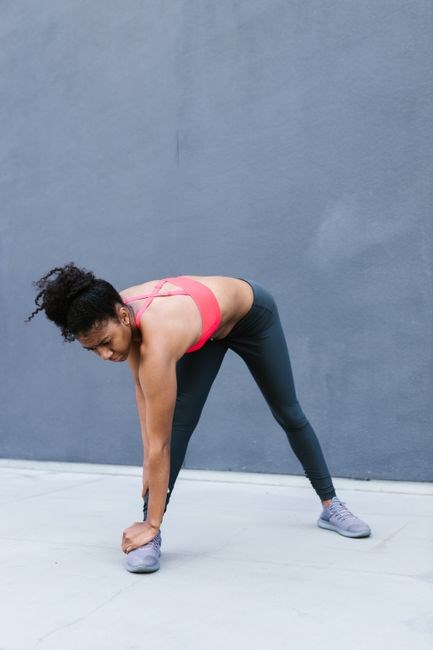
In a PDF guide, the standing IT band stretch is illustrated as a quick, low‑impact movement that can be done anywhere. Stand upright with feet hip‑width apart, ensuring the spine is neutral and shoulders relaxed. Place the leg you wish to stretch behind you, crossing the ankle over the opposite knee so that the foot rests on the floor.
Lean forward slightly, keeping the torso upright, and gently shift your weight toward the front leg. The stretch should be felt along the outer thigh and the iliotibial band, not in the knee joint. Hold the position for 20–30 seconds, breathing in a steady rhythm, then release slowly. Perform 3–5 repetitions on each side, repeating the routine 2–3 times daily to promote gradual flexibility.
Key cues: keep the back straight, avoid rounding the shoulders, and ensure the knee of the front leg stays slightly bent to reduce strain. If you feel sharp pain, ease the stretch or consult a professional. Adding a light ankle dorsiflexion can deepen the stretch, but only if it remains comfortable. Consistency over weeks is essential for lasting improvement.
For those who prefer a guided approach, many PDFs include annotated images that show the correct knee angle and hip alignment. Some also offer a short video link or QR code for real‑time demonstration, ensuring the stretch is performed safely and effectively every time!
Supine Hamstring and IT Band Stretch
This PDF routine begins with the client lying on their back, legs straight, and a strap secured around one foot. The opposite hand holds the strap while the other hand rests beside the body. Gently pull the leg toward the torso, allowing a slight bend in the knee, keeping the foot flexed and the opposite leg flat on the floor. The stretch should be felt in the hamstrings and along the outer thigh where the iliotibial band runs.
Hold the position for 20‑30 seconds, breathing steadily. Release slowly, then repeat 10‑20 times per side, aiming for three sessions daily. Consistency is key; noticeable improvement may require several weeks of persistent practice. The PDF often includes a visual diagram, a checklist of alignment cues, and a safety note that sharp pain signals the need to stop immediately.
Additional tips in the guide suggest keeping the hips level, avoiding arching the lower back, and using a smooth, controlled pull on the strap. Progress can be tracked by noting the range of motion or the distance the leg can be lifted without discomfort. Over time, the combined hamstring and IT band stretch enhances flexibility, reduces lateral knee tension, and supports better movement patterns during daily activities and workouts.
Remember to perform the stretch on a firm surface, keep the core engaged, and breathe evenly; log each session to monitor progress and adjust the strap tension as flexibility improves. Keep hips aligned!!!
Dynamic IT Band Mobilization
Dynamic IT band mobilization focuses on rhythmic, controlled movements that actively engage the iliotibial band while the body remains in motion. The PDF outlines a sequence that starts in a standing position with feet hip‑width apart. The practitioner lifts one leg, crossing it behind the opposite leg, and then swings it forward, allowing the hip to flex and the IT band to glide over the greater trochanter. This motion is repeated 10–15 times on each side, ensuring that the knee stays slightly bent to reduce strain. The guide emphasizes maintaining a neutral spine, engaging the core, and keeping the shoulders relaxed. A strap can be used to gently pull the leg toward the torso, enhancing the stretch without compromising joint alignment. The PDF also recommends a warm‑up phase: a brisk 5‑minute walk or light jog to increase blood flow to the hip and thigh muscles. By integrating dynamic mobilization into a daily routine, users can improve hip mobility, reduce the risk of knee injuries, and enhance overall athletic performance.
The PDF also stresses breathing: inhale during the preparatory phase, exhale during the swing. Perform on a flat surface to avoid tripping, and wear supportive shoes for ankle stability. Advanced users may try a higher leg swing to increase intensity, but only after mastering the basic sequence. The guide offers a quick reference chart with stance width, knee angle, repetitions, and common pitfalls. Following these tips ensures safe, mobilization!!!

Using IT Band Stretch PDFs Effectively
Read each PDF carefully, noting recommended reps, sets, and breathing cues. Integrate the routines into your daily schedule, track progress with a simple log, and consult a professional if pain persists. Refresh your technique regularly. Use a timer.!!!
Reading and Interpreting the PDF
When you open an IT band stretch PDF, start by scanning the header for the exercise name, target side (left or right), and the recommended frequency. Most PDFs state “perform this stretching exercise 3 times on both the Left and Right sides several times per day (10-20 times is ideal).” Note the persistence reminder: consistency over weeks is required for noticeable improvement. Look for the strap instructions ⏤ “use the strap to pull your leg up toward your body, feeling a stretch in your ham-strings,” and the cue to keep a slight knee bend while the foot stays straight. Diagrams will often show the starting position: lying on your back with legs straight, a strap around one foot, the opposite hand holding the strap. For standing variations, the PDF may read “cross one leg in front of the other, bend down and touch your toes,” emphasizing the stretch on the outside of the opposite thigh. Pay attention to safety notes such as “do not roll the body over the greater trochanter of the hip” and “make sure not to let your other leg lift off the ground.” Additionally, the PDF may advise to roll your body back and forth along the length of the IT band and lateral thigh, avoiding the greater trochanter area. Frequency guidelines are usually listed as “perform several times daily, gradually increasing sets up to 60 as flexibility improves.” Finally, use any progress-tracking tables included to log repetitions, pain level, and range of motion after each session.
Incorporating the Routine into Daily Life
To weave the IT band stretch routine into everyday habits, begin by setting a fixed time each day—morning, lunch break, or evening—so the habit becomes automatic. Use a phone alarm or a sticky note on your monitor that reads “IT Band Stretch” to prompt you. When the reminder rings, position yourself according to the PDF’s diagram: lie on your back with legs straight, strap around one foot, hold the strap in the opposite hand, and gently pull the leg toward your torso, feeling a stretch in the ham‑strings. Repeat 10–20 times on each side, ensuring the knee remains slightly bent and the foot stays straight. Afterward, transition to the standing stretch: cross one leg in front of the other, bend, and touch your toes, keeping the strap in place if needed. Perform this sequence 3 times on each side, several times per day, as the PDF recommends. Consistency is key; the PDF notes that it may take several weeks before noticeable improvement is achieved, so maintain the routine even when progress seems slow. Incorporate the stretches into your warm‑up before exercise or as a cool‑down after a run. Over time, gradually increase the number of repetitions toward the upper end of the PDF’s suggested range, always listening to your body and avoiding any sharp pain. By embedding the routine into your daily schedule, you transform a single PDF into a lifelong practice that supports mobility and reduces injury risk. Remember to breathe deeply during each stretch!
Safety, Contraindications, and Precautions
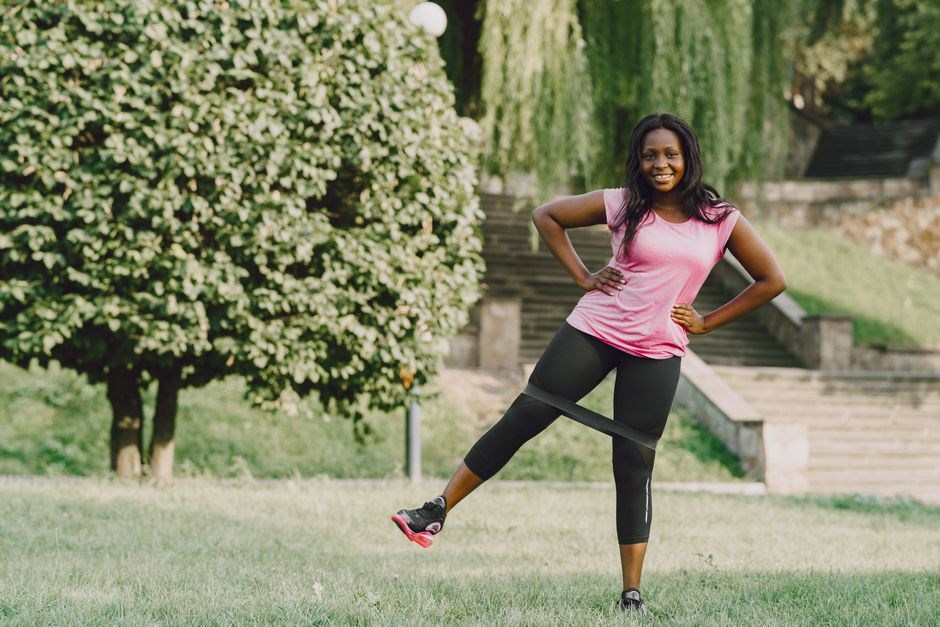
Before starting any IT band routine, read the PDF’s warning section. Avoid stretching if you have acute knee or hip pain, recent surgery, or a diagnosed ligament injury. The PDF advises consulting a physiotherapist if you feel sharp pain during the seated stretch or if the strap pulls too hard on the ankle. Use a soft surface and keep the knee slightly bent to reduce strain on the joint capsule. Do not force the leg beyond a comfortable stretch; the PDF recommends a gentle, controlled pull. If you have a history of hip dysplasia or a labral tear, skip the standing cross‑leg stretch and opt for a supine version instead. The PDF also cautions against performing the dynamic IT mobilization on a hard floor; a padded mat is preferable. For pregnant users, the PDF suggests limiting the stretch to the first trimester and avoiding any position that compresses the abdomen. Keep hydrated and warm the muscles with a light walk before the routine. Finally, if you notice swelling, redness, or a sudden increase in pain, stop immediately and seek medical advice. Following these precautions ensures the PDF’s exercises remain safe and effective. The PDF also recommends wearing supportive footwear during standing stretches, especially if you have flat feet or pronation issues. Additionally, if you have a history of plantar fasciitis, use a cushioned mat to reduce impact. The PDF emphasizes that the strap should be snug but not tight; a 2‑inch gap between the strap and the ankle allows for safe movement. For seniors, the PDF advises performing the seated stretch with a chair for support to prevent loss of balance. If you have a chronic condition such as arthritis, the PDF suggests limiting the stretch to 10 repetitions per side and monitoring joint pain. The PDF also warns that over‑stretching can lead to muscle strain; therefore, always stop if you feel a pulling sensation in the muscle belly. Finally, the PDF encourages keeping a stretch log to track pain levels and progress, which helps adjust intensity over time.
Tracking Progress and Finding Additional Resources
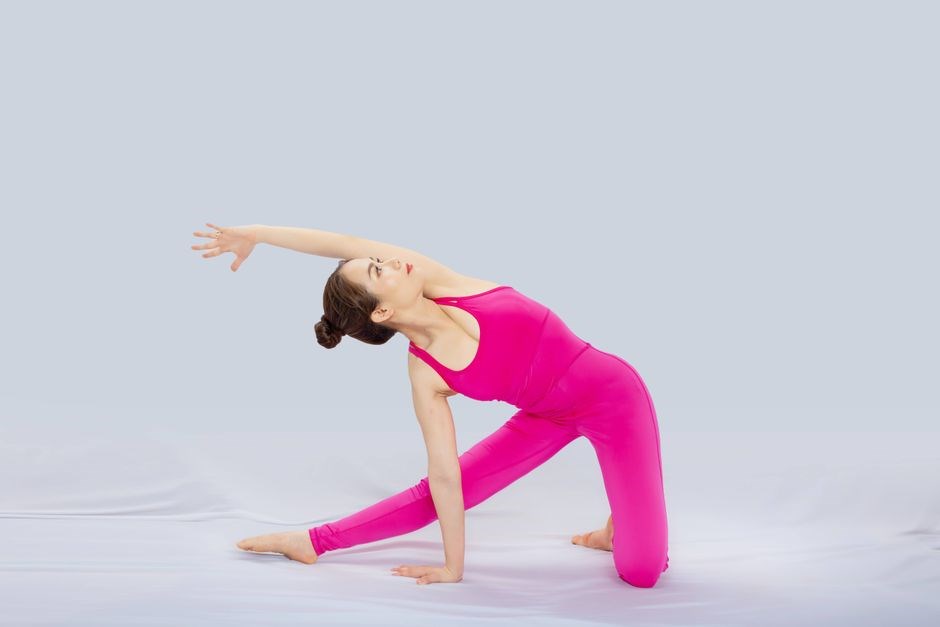
Use the PDF’s built‑in progress sheet to record daily repetitions, stretch duration, and any discomfort levels. Mark each session with a simple “✓” and note the time of day to identify patterns. If you notice a plateau after three weeks, increase the stretch duration by 5 seconds per side, but only if pain remains below a 3/10 threshold. The PDF recommends photographing the stretch position weekly; compare images to ensure proper form. For advanced users, the PDF links to a downloadable spreadsheet that tracks flexibility gains in centimeters, allowing you to calculate the percentage improvement over a month. Additionally, the PDF includes QR codes that direct you to a curated list of reputable online platforms offering video demonstrations, such as physiotherapy websites, sports science blogs, and instructors.! Many of these resources provide downloadable audio guides for guided breathing during the stretch, which can enhance relaxation and compliance. The PDF also highlights community forums where users share personal anecdotes and modifications for specific conditions like iliotibial band syndrome or patellofemoral pain. When searching for new materials, use keywords suggested in the PDF’s “Further Reading” section: “dynamic IT mobilization”, “hamstring‑IT band synergy”, and “post‑exercise recovery”. Finally, the PDF advises subscribing to newsletters from recognized sports medicine associations; these often release updated protocols and research findings that can refine your routine. By systematically tracking progress and exploring the recommended external resources, you create a data‑driven, evidence‑based approach to improving IT band flexibility while staying informed about the latest best practices.