
Overview of STEM Activities for Preschoolers PDF Resources
PDFs combine science, math, and engineering into playful play․ They offer experiments, sorting games, measurements․ By reading and singing, teachers spark curiosity and critical thinking․ PDFs include worksheets step‑by‑step instructions․ These resources support groupcollaboration and hands‑on learning
Types of PDFs and Where to Find Them
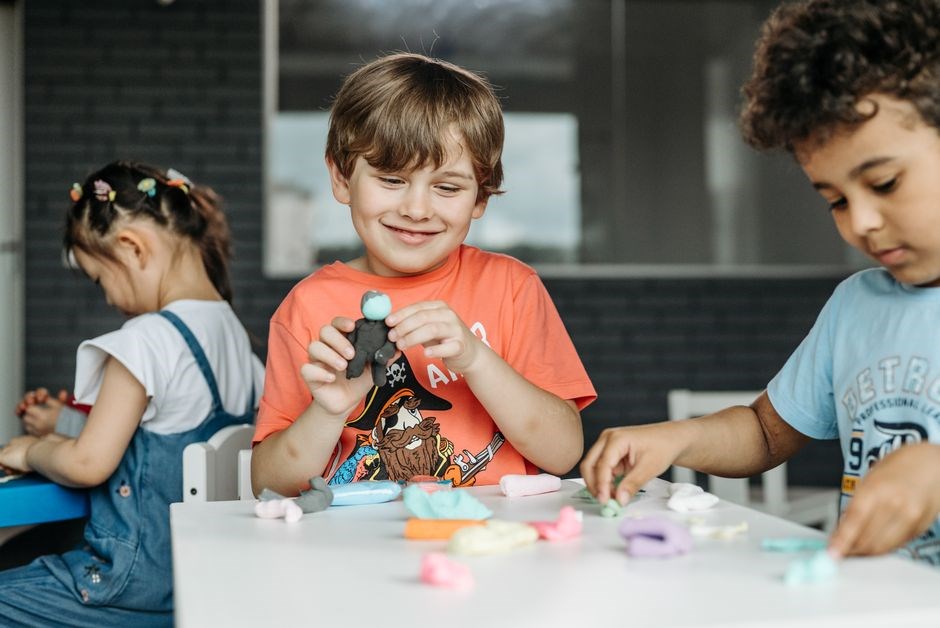
Preschool STEM PDFs come in several formats: activity sheets, experiment guides, printable manipulatives, and interactive story‑based worksheets․ Activity sheets often feature color‑coded sections for science, math, and engineering, while experiment guides provide step‑by‑step instructions with safety notes․ Printable manipulatives include shape sorting cards, measurement rulers, and simple circuit kits․ Story‑based worksheets weave narrative prompts with hands‑on tasks, encouraging inquiry and observation․
These PDFs are available from a variety of free and subscription sites․ Educational publishers such as Scholastic and Education․com host downloadable worksheets that teachers can filter by age and STEM domain․ Open‑access repositories like Open Culture and TES offer free PDFs for classroom use․ Professional networks, including the National Science Teaching Association, provide curated collections of printable materials․ Finally, many local school district websites host shared resources for teachers, often behind a login but worth exploring for high‑quality, vetted content․These resources help teachers weave STEM into daily routines, sparking curiosity, teamwork, and a lasting love of discovery in young learners․
Early STEM exposure sparks curiosity, builds problem‑solving skills, and boosts language through science talk․ Preschoolers who engage in hands‑on experiments show higher confidence, better group collaboration, and stronger math‑science connections, laying a solid foundation for future learning․!!!!!!!
Developmental Impact on Cognitive Growth
Research shows that preschoolers who engage in STEM activities experience accelerated cognitive development․ Inquiry‑based experiments sharpen observation skills, while sorting and measuring tasks enhance working memory and executive function․ When children read STEM‑themed PDFs, they practice language and vocabulary, linking concepts across science, math, and engineering․ Group projects foster social cognition, encouraging perspective‑taking and collaborative problem solving․ The integration of hands‑on play with guided questioning promotes metacognition, allowing children to reflect on their thinking processes․ Studies indicate that early STEM exposure improves spatial reasoning, logical sequencing, and numerical understanding, which are predictive of later academic success․ By embedding STEM in daily routines—talking, singing, and reading—teachers create a scaffolded learning environment that nurtures curiosity, resilience, and a growth mindset․ These gains in cognitive flexibility, attention, and memory lay the groundwork for advanced STEM learning and lifelong learning skills․ Moreover, the integration of digital tools, such as simple coding apps and interactive simulations, allows children to visualize abstract concepts, fostering deeper understanding and encouraging them to hypothesize, test, and refine ideas in a safe, supportive environment for all learners daily․
Key STEM Skill Areas Covered
PDFs guide preschoolers through science experiments, math puzzles, engineering builds, Activities develop observation, measurement, problem‑solving, and collaboration․ Reading, singing, and group projects reinforce vocabulary, critical thinking, and hands‑on learning!!․
STEM Domains: Science, Technology, Engineering, Math
Science: PDFs present simple experiments that illustrate basic principles—water density, magnet attraction, plant growth—allowing preschoolers to observe, ask questions, and record findings․ Technology: Digital tools and simple coding apps are introduced through story‑based projects, encouraging children to think about how devices work and how to manipulate them․ Engineering: Building blocks, recycled materials, and construction kits are featured, guiding kids to design, test, and modify structures while learning about balance, stability, and forces․ Math: Counting, sorting, measuring, and pattern recognition are woven into activities, reinforcing number sense and spatial awareness․ Together, these domains create a cohesive learning environment where children practice critical thinking, collaboration, and creativity, all supported by downloadable PDF worksheets, activity guides, and printable resources that teachers and parents can adapt for daily routines or themed lessons․
These PDF collections are curated by early childhood educators and STEM specialists, ensuring age‑appropriate language and engaging visuals․ They include step‑by‑step instructions, printable templates, and assessment checklists that help teachers monitor progress․ Parents can download and print activities at home, fostering continuity between classroom and family learning․ The resources also provide suggestions for extending experiments, encouraging curiosity and deeper inquiry․ Teachercan share student work online, creating community scientists! and!!!!

Sample STEM Activities (25 Ideas)
build towers, sort colors, measure liquids, create circuits, observe growth, test buoyancy, design boats, count shapes, mix colors, make slime, trace shadows, use magnets, build bridges, track weather, craft patterns, bake science, play sound, measure time, build robot,craft volcano, design garden, music,numbers,shapes․!!! play music,!!!

Activity Themes: Building, Sorting, Measuring, etc․
Building activities encourage spatial awareness and problem‑solving․ Using blocks, recycled containers, or simple cardboard tubes, children design towers, bridges, or houses, learning about balance, weight distribution, and basic engineering principles․ Sorting tasks develop categorization skills and logical thinking․ Kids separate objects by color, size, texture, or function, then discuss patterns and relationships, reinforcing early math concepts․ Measuring experiments introduce units, comparison, and data collection․ By measuring length with rulers, volume with measuring cups, or weight with kitchen scales, preschoolers practice estimation, precision, and the scientific method․ Additional themes include pattern creation with beads or stickers, exploring cause and effect with simple machines, and observing natural phenomena such as plant growth or weather changes․ Each PDF resource offers step‑by‑step instructions, printable worksheets, and suggested extensions that can be adapted for individual or group work․ These themed activities foster curiosity, collaboration, and foundational STEM skills in a playful, engaging environment․ The PDFs provide ready‑made templates, activity guides, and reflective prompts that help teachers scaffold learning, assess progress, and celebrate discoveries․ Parents can use the same materials at home, turning everyday moments into science experiments, building a bridge from storybooks to real‑world inquiry․ By integrating building, sorting, measuring, and patterning into daily routines, children develop confidence, critical thinking, and a love for exploration that lasts beyond preschool․ The resources are freely downloadable, printable, and customizable, ensuring accessibility for diverse classrooms and home settings alike․

Projects: Turning Books into Science Experiments
PDF guides help turn favorite books into experiments․ Kids read a story, then build models, test predictions, record data․ Materials lists and prompts support teachers and parents in creating engaging, narrative‑driven STEM projects․
Group Collaboration and Project-Based Learning

When preschoolers work together, the learning curve accelerates․ PDF activity sheets that guide group experiments—such as building simple bridges or measuring liquid volumes—encourage shared problem‑solving․ Teachers can assign roles: recorder, presenter, materials manager, so each child feels ownership․ Studies show that collaborative projects boost engagement and retention; a recent study found that children who participated in group STEM tasks scored higher on follow‑up assessments than those who worked alone․ Project‑based learning also nurtures communication skills: students practice asking questions, listening, and explaining their reasoning․ By turning a favorite picture book into a science experiment, children create a narrative thread that links reading, observation, and data collection․ The PDF guides provide step‑by‑step instructions, printable charts, and reflection prompts that help teachers scaffold the process․ Parents can use the same resources at home, fostering continuity between classroom and family life․ When the group presents its findings—through a simple poster, a short video, or a live demonstration—students experience the joy of sharing knowledge and receiving feedback․ This collaborative cycle reinforces critical thinking, creativity, and a sense of belonging, all essential foundations for future STEM success․ It inspires curiosity and teamwork․ Now
Inquiry-Based Learning Techniques
PDF guides prompt open questions, encourage observation, and let kids test ideas․ Teachers model how to ask “What happens if…?” and record answers․ Activities like sorting shapes or measuring liquids spark curiosity․ Reflection prompts children explain reasoning and refine questions fun!
Questioning and Observation Strategies
Effective questioning turns a simple PDF experiment into a discovery adventure․ Start with open‑ended prompts—“What do you see?” or “How does this feel?”—and let children describe textures, colors, and sounds․ Follow up with “Why do you think that?” to deepen reasoning․ Encourage note‑taking by drawing or using stickers to record observations․ Use a “question chart” in the classroom: columns for who, what, when, where, why, and how․ Rotate the chart so each child leads a session, fostering ownership; Pair observation with a “prediction box”: before a demonstration, have kids write or draw what they expect will happen․ After the activity, compare predictions with results, celebrating surprises and correcting misconceptions․ Incorporate technology by scanning drawings into a shared PDF gallery, allowing peers to comment and ask follow‑up questions․ This iterative loop—observe, question, predict, test—builds critical thinking, communication, and a love for inquiry․ The PDF format supports this by providing printable templates, step‑by‑step guides, and space for children’s own notes, ensuring that questioning and observation become integral to every STEM lesson․ Teachers can also use guided questions that align with developmental milestones, ensuring that each child is challenged appropriately․ By integrating sensory play—such as mixing colors or exploring textures—students naturally observe differences and ask follow‑up questions․ The PDF resources often include checklists that help teachers track each child’s questioning progress, straightforward․ Such structured questioning not only promotes critical thinking but also builds confidence as children see their ideas validated through evidence․

Integrating Technology, Engineering, and Math
PDF guides blend tech, engineering, and math through everyday routines․ Children use simple tools—blocks, magnets, and digital apps—to build structures, count, and measure․ Group projects turn books into experiments, encouraging teamwork and hands‑on problem solving․ These PDFs support playful learning․
Tech Tools for Young Learners
PDFs highlight low‑cost tech tools that fit preschool classrooms․ A tablet paired with a simple coding app lets children drag and drop icons to create patterns, reinforcing sequencing and logical thinking․ Interactive PDFs with embedded audio and video prompt children to identify shapes, count objects and measure lengths, turning reading time into a math lesson․ A basic sensor kit—such as a light‑sensitive button or a simple sound detector—can be used to explore cause and effect while recording data on a paper chart․ Digital drawing pads allow kids to sketch structures and then discuss how engineering principles apply․ Even a basic calculator app can help children practice addition and subtraction through playful games․ These tools are designed to be intuitive, with large icons and minimal text, so that preschoolers can navigate independently while teachers guide inquiry․ By integrating these tech tools into daily routines, educators create a seamless bridge between hands‑on experiments and digital exploration, fostering curiosity and foundational STEM skills․
These PDFs also provide printable worksheets, interactive quizzes, and simple coding games that can be used in small groups or individually․ The resources emphasize hands‑on experimentation with everyday objects, encouraging children to ask questions and record observations․ By incorporating digital and analog tools, teachers can scaffold learning and assess progress․ These resources also include printable activity sheets and digital quizzes that can be used for assessment․ It supports learning for all ages and levels!
These PDFs also provide printable worksheets, interactive quizzes, and simple coding games that can be used in small groups or individually․ The resources emphasize hands‑on experimentation with everyday objects, encouraging children to ask questions and record observations․ By incorporating digital and analog tools, teachers can scaffold learning and assess progress․
Tools spark kids now!

Tips for Preschool Teachers and Parents
Use daily routines to weave math and science․ Read, sing, and play to spark curiosity․ Encourage group work; children thrive when collaborating․ Provide simple PDFs with step‑by‑step experiments․ Keep materials safe and age‑appropriate․ Celebrate every discovery!
Share progress with families, celebratewins․
Implementation and Classroom Practices
Begin by selecting age‑appropriate PDFs that combine science, math, and engineering concepts․ Create a dedicated STEM corner with labeled bins for materials, a small table for experiments, and a low‑height whiteboard for recording observations․ Schedule 10‑minute “STEM moments” each morning, using the PDFs as a guide․ During these sessions, read aloud the activity instructions, sing related songs, and demonstrate the experiment․ Encourage children to ask questions, predict outcomes, and describe what they see․ Use the PDFs’ step‑by‑step visuals to scaffold learning and keep the process simple․ Rotate the activities weekly to maintain interest and cover all STEM domains․ Keep safety first: use non‑toxic materials, supervise closely, and teach proper handling․ After each session, have students draw or write a short note about their experience․ Collect these reflections for a quick formative assessment․ Share the PDFs and activity results with parents through a digital newsletter or a shared folder, inviting them to replicate the experiments at home․
For differentiation, offer variations: provide larger or smaller objects for sorting, use different measurement units, or introduce simple coding patterns with colored blocks․ Keep a “STEM journal” where each child can add a picture or a sticker after each activity․ Encourage peer‑learning by pairing children with complementary strengths․ Schedule a monthly STEM showcase where children display their projects and explain the science behind them․
Integrate simple tech tools such as tablets with educational apps that complement the PDFs․ Use a low‑tech approach with a timer to teach sequencing and time measurement․ After each activity, hold a brief “think‑pair‑share” discussion, prompting children to articulate their reasoning․ Record these discussions on a voice recorder or a video clip to review later․ Encourage families to keep a STEM log, noting when and how the child engages with the PDFs at home, fostering continuity between classroom and home environments․
These practices create a vibrant, inquiry‑driven learning culture that nurtures curiosity and confidence․